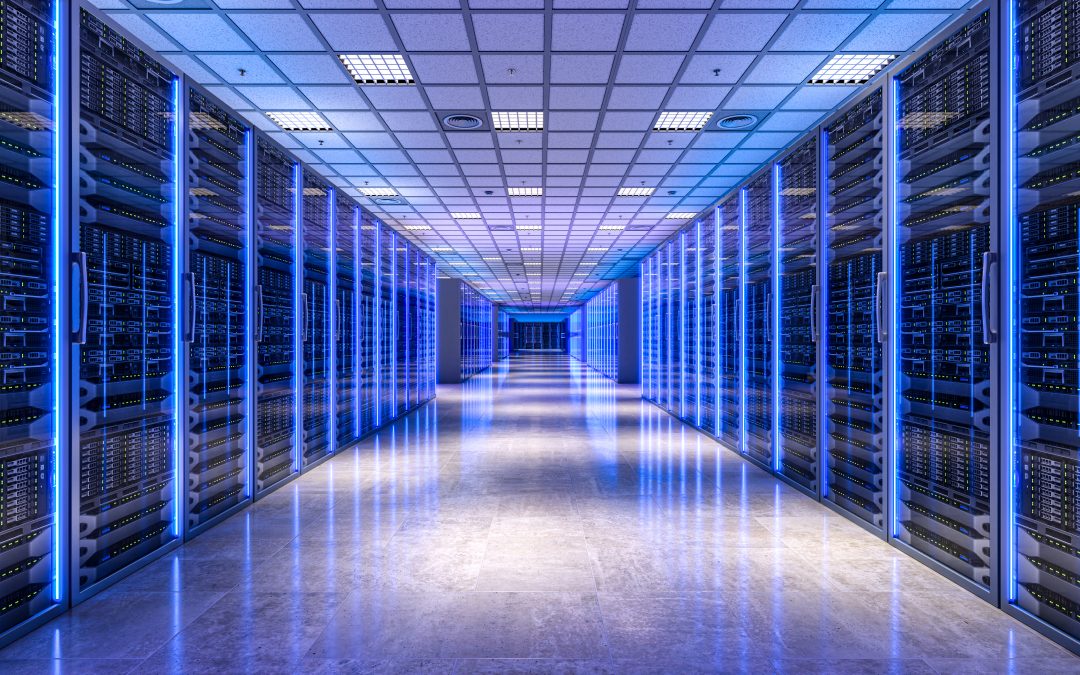
Modern data centres are built on three things: uptime, redundancy, and efficiency. But behind every reliable facility is something less visible – but equally important – accurate measurement of your controlled environment.
You can’t manage what you do not measure.
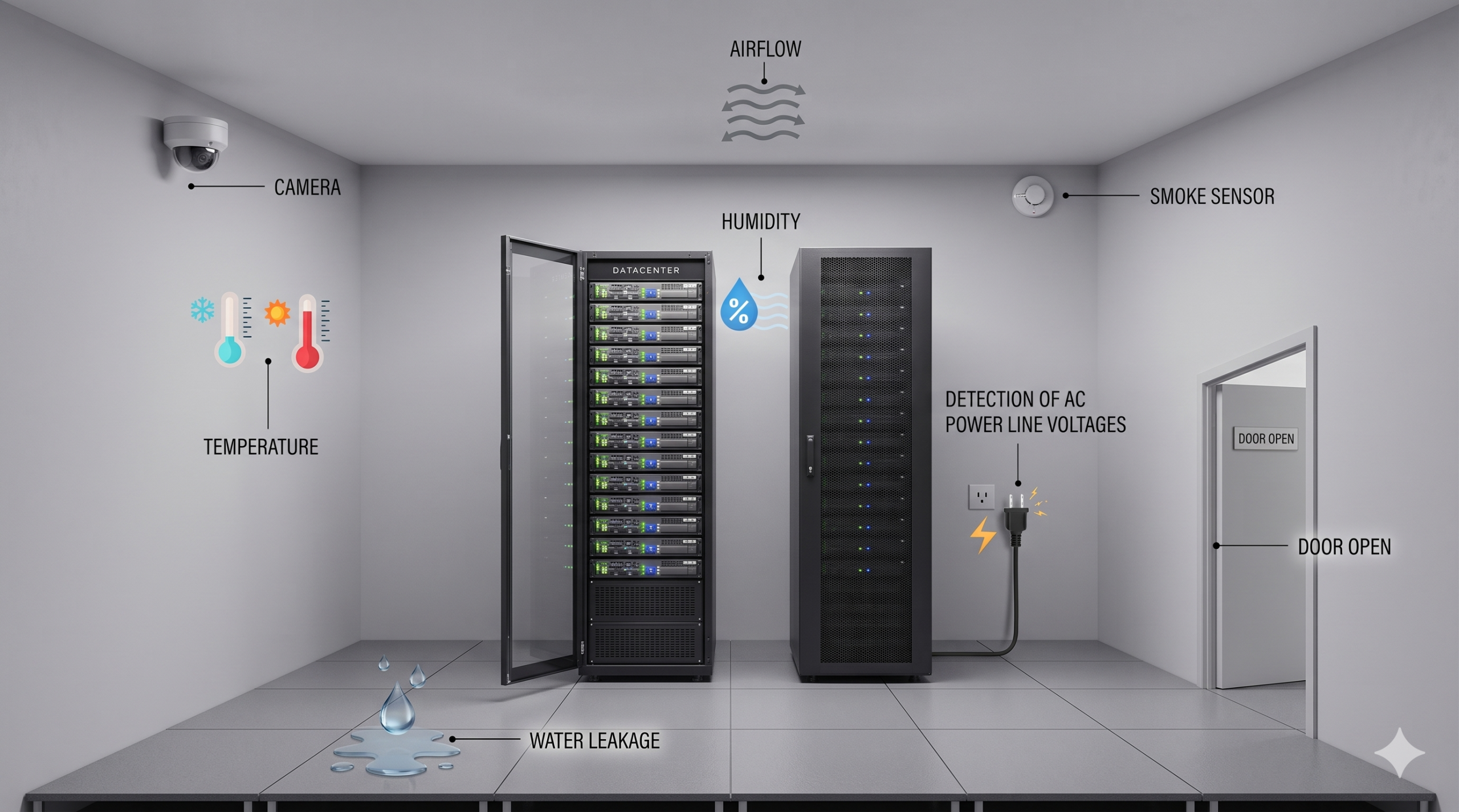
Instrumentation forms the foundation of data centre performance, providing the real-time insight needed to maintain equipment cooling efficiency, prevent thermal failures, and ensure your data centre operations run effectively 24/7. From server racks to cooling towers, instrumentation is the early warning system that protects critical infrastructure.
Why data centre instrumentation matters
Data centres operate within extremely tight environmental tolerances. Small deviations in airflow, temperature or water quality can increase your operational costs or escalate to unexpected downtime.
Data centres house critical IT infrastructure such as servers, storage systems and networking equipment. Maintaining stable environmental conditions within these facilities requires precise instrumentation and monitoring systems.
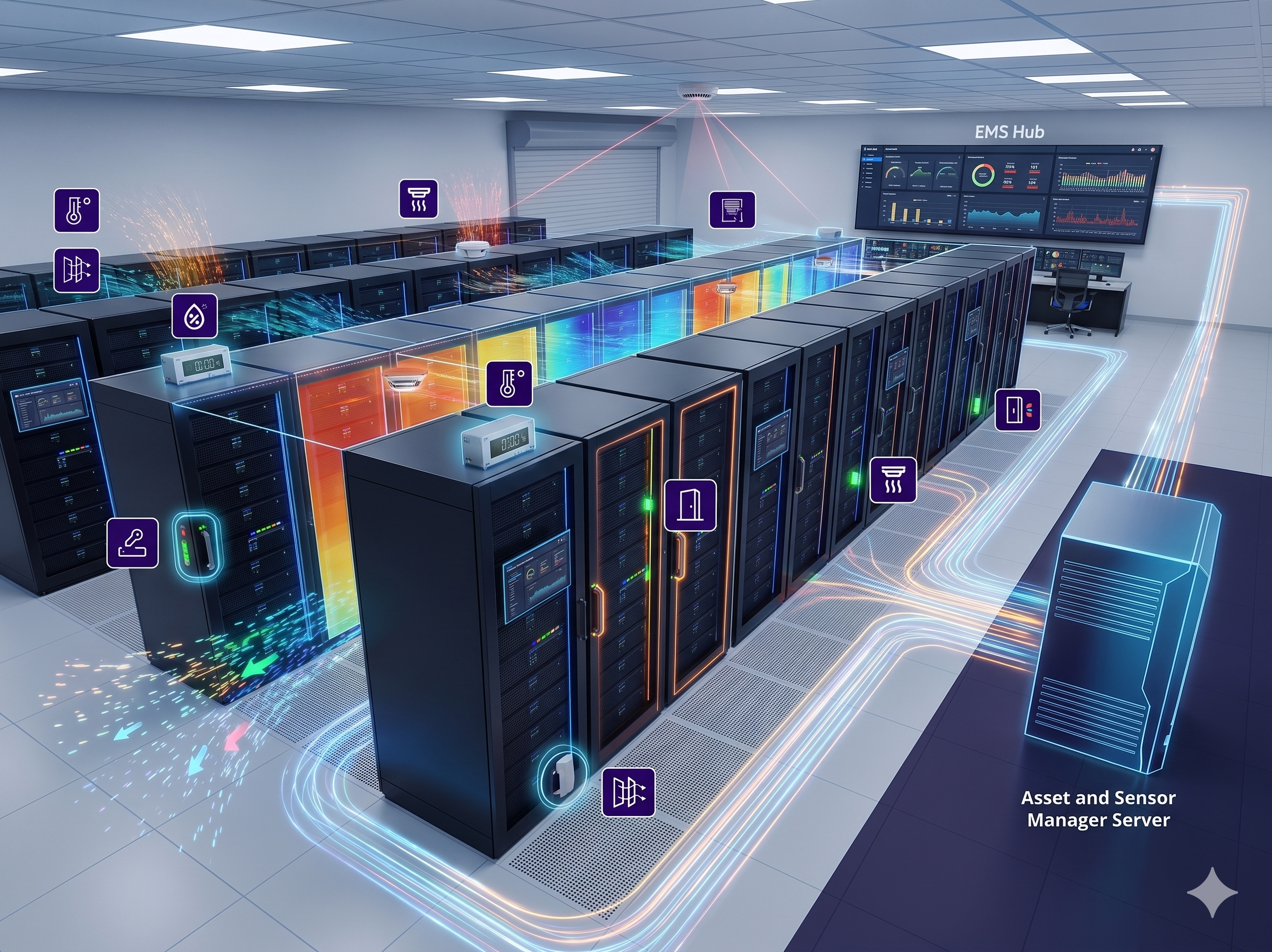
Effective instrumentation system monitoring allows your team to:
- Detect thermal risks before hardware failure occurs.
- Optimise cooling system monitoring and Power Usage Effectiveness (PUE).
- Identify maintenance issues early.
- Validate operational performance and compliance requirements.
White space monitoring: Protecting the server environment
The ‘white space’ – where servers operate – is the frontline of environmental control. At SRO Technology, we use a mix of specialised instrumentation processes to help make the environment stable including:
- Air temperature monitoring: NTC thermistors and RTDs are installed at server inlets and outlets to track temperature changes across equipment.
- Differential pressure transmitters: Using diaphragms to ensure the cold aisle is pressurised. If your pressure drops, and the air isn’t moving through the servers – it’s leaking.
- Airflow verification: Using pitot tubes in the ductwork ensures real-time velocity readings of the air moving from the AHU to your critical loads.
Find out more about our Temperature and Pressure Measurement Solutions.
Hydronic systems: Monitoring cooling performance in grey space
Beyond the server room lies the ‘grey space’ – where we focus on flow, pressure and thermal measurement to keep heat rejection systems performing.
If the water stops flowing, the servers stops working.
We typically look at:
- Ultrasonic flow meters: These are great for flow measurement because they’re non-invasive – no cutting pipes or risking a leak, just transit-time data.
- Magnetic flow meters (Magmeters): Ideal for conductive fluids and delivering highly accurate volumetric flow measurement.
- Vortex flow meters: Built for high-velocity or steam applications where you need long-term durability.
- Pressure and temperature monitoring: Immersion probes and pressure transducers track Delta T and Delta P. If the pressure drops across a filter or heat exchanger spikes, the pump may be at risk of cavitating.
Water quality monitoring in cooling towers
Cooling towers present unique risks due to scaling, corrosion and chemical imbalance. Instrumentation ensures water chemistry remains within safe operating limits:
- Conductivity probes monitor mineral concentration and scaling risk.
- pH probes control chemical dosing and corrosion prevention.
We’ll help you monitor this so you aren’t replacing expensive chillers years before you should.
Find out more about our Flow Measurement Solutions.
Why calibration is critical for reliable measurement
Instrument calibration isn’t just a set and forget exercise – it is important ongoing.
Every instrument, no matter how expensive, drifts over time due to environmental stress, electronic aging, or ‘fouling’ of the sensing element. An uncalibrated sensor is worse than no sensor at all because it gives you a false sense of security.
If a probe drifts by even 0.5°C, your efficiency calculations become inaccurate, increasing energy costs and potentially impacting safety and compliance.
Regular calibration turns your data into intel your site operations can trust and rely on.
The SRO Bottom Line
At the end of the day, process instrumentation for your data centre is an investment in certainty, and calibration is the insurance policy for that investment.
Whether it’s differential pressure monitoring or a full site calibration audit, SRO is in your corner to keep your operations running smoothly.
Recent Comments