

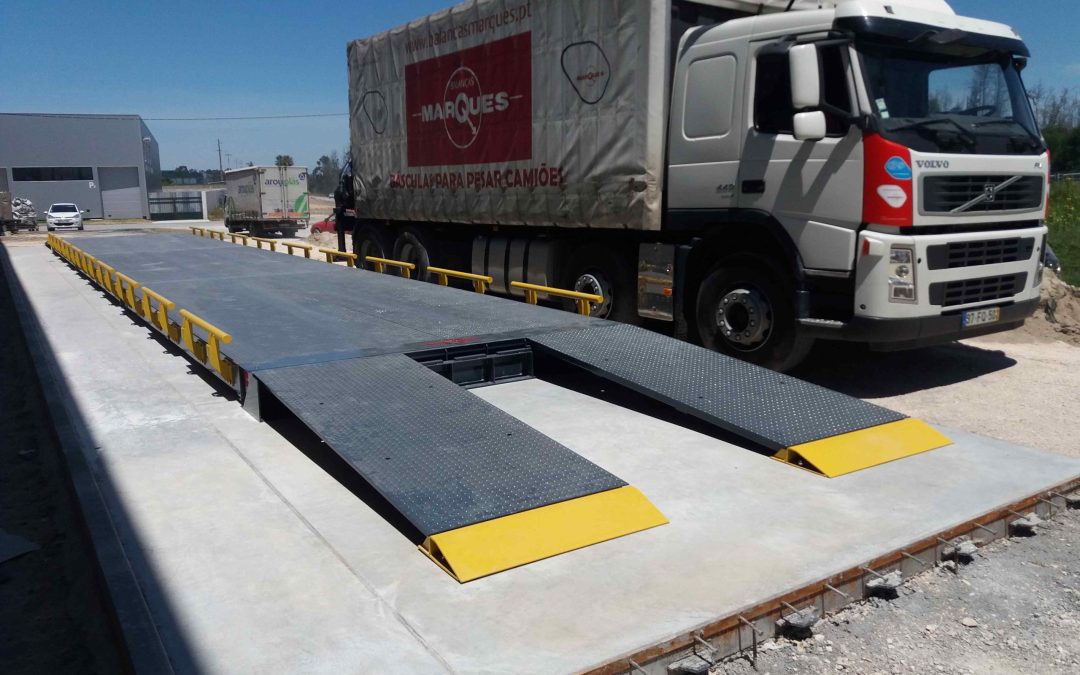
Portable and modular weighbridges: Finding the right fit for your site.
If you’re weighing up (pun intended) how to add or upgrade weighing capability on your site, chances are you’ve come across two options: a portable weighbridge and a modular weighbridge. Both get you certified, accurate weight readings. Both are faster to install than a traditional weighbridge. But they suit different situations, so it’s worth understanding how each one fits before you commit budget and site prep in one direction.
We offer both, and the right one for you comes down to how long you’ll be at the site, what you’re weighing, and the budget you’ve got to spend on preparation.
This guide walks through the practical differences that matter when you’re deciding: permanence, site prep, capacity, and the use cases each option tends to suit best – plus what drives weighbridge cost so you’re not caught off guard by a quote.
What is a portable weighbridge and a modular weighbridge?
Portable weighbridges are designed to be relocated. They typically sit on a shallow concrete pad or compacted ground, need minimal groundworks, and can be picked up and moved to a new site or repositioned as operations change.
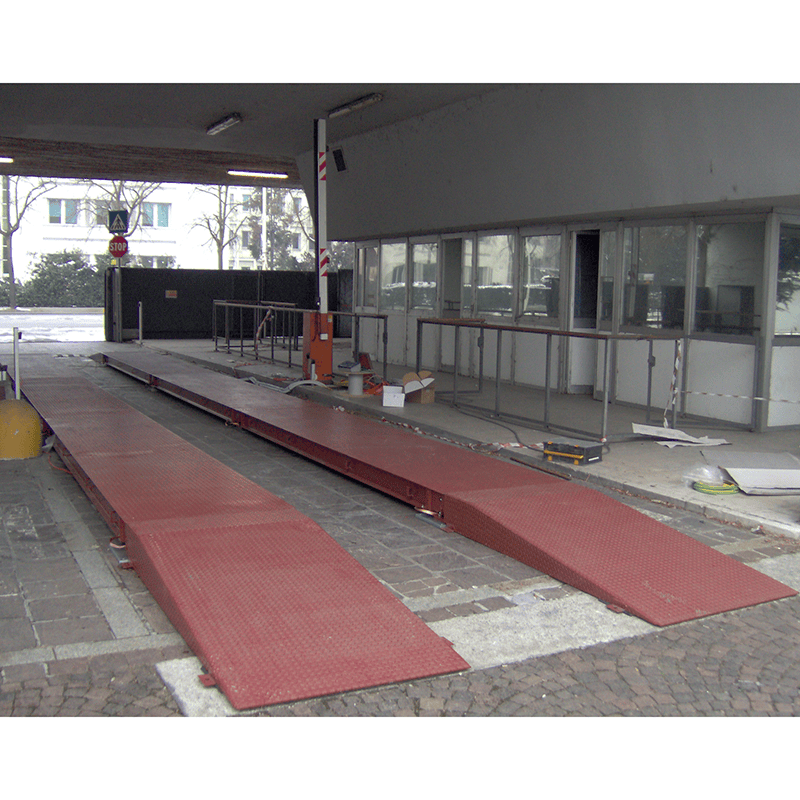
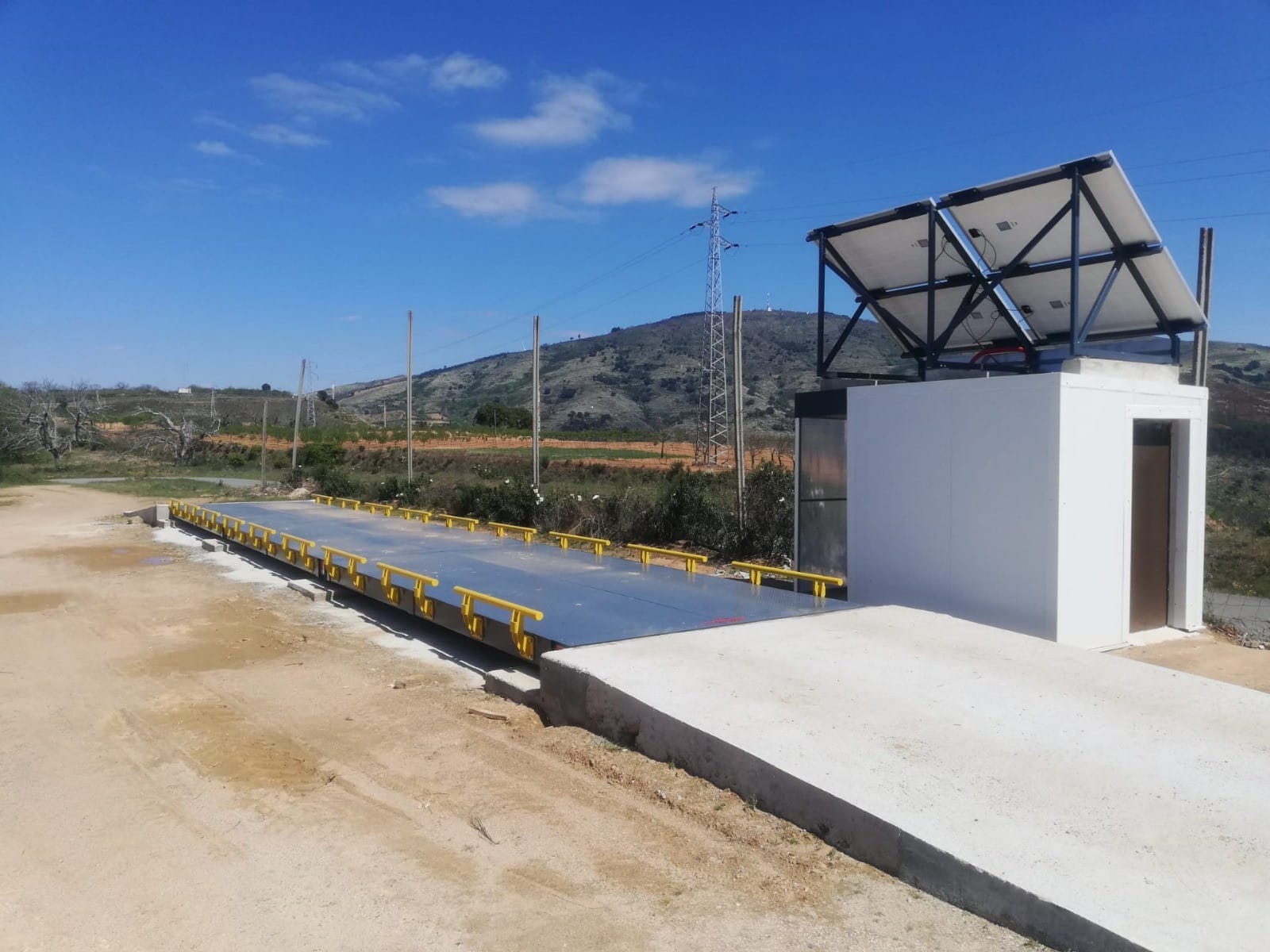
Modular weighbridges are built from pre-fabricated sections that are created off-site and assembled on a prepared foundation. They’re not designed to move regularly, but they install faster and can often be reconfigured or extended.
Permanence: Are you weighing here for months or years?
This is usually the first question worth answering, because it filters out one option immediately.
Portable weighbridges are ideal for the scenario where permanence isn’t guaranteed: short-term contracts, remote or temporary sites, or operations that need to shift location as work progresses. If there’s a real chance you’ll need to relocate the unit within a few years – or you’re not yet sure the site will still be operating at all – portability is essential.
Modular weighbridges suit sites where you’re staying put. They’re semi-permanent – while the sections are relocatable in theory, in practice the foundation work, approach ramps, and site integration make moving one a significant undertaking. If you’re building out a permanent facility such as a quarry, a distribution depot, or a processing plant, a modular system gives you most of the speed benefits of portable weighing with the durability and load performance closer to a fully fixed weighbridge.
Site prep: What are you building?
This is where the cost and timeline differences become evident.
Portable weighbridges need the least groundwork. Many models can sit on a compacted gravel or crushed rock base with minimal concrete, or a shallow pad. There’s no deep excavation, no extensive drainage or reinforced footings required. This is a large part of why they can be installed (and removed) in days rather than weeks.
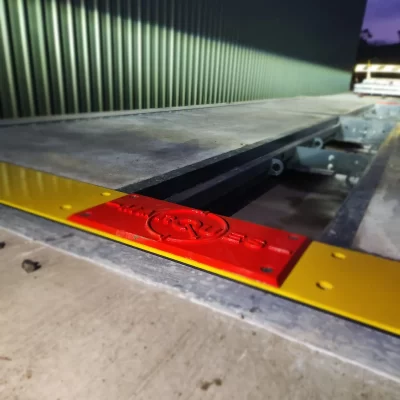
Modular weighbridges need proper foundations – typically reinforced concrete footings or a full slab, engineered to the specific system and expected load. You’ll also need to budget for approach ramps, drainage, and earthworks to get the site level and stable. It’s meaningfully more civil work than a portable install, though still substantially less than a traditional pit weighbridge poured entirely in-situ.
If your budget or your site access for construction equipment is limited, that alone can tip the decision toward portable – even if you’d otherwise prefer the load capacity of a modular unit.
Capacity: Matching the weighbridge to the load
Capacity isn’t just about the biggest number – it’s about matching the bridge length, width, and capacity to what you’re actually weighing, and how often.
Portable weighbridges are generally rated for lighter-to-moderate duty cycles, tandem-axle weighing, and lower-frequency weighing operations.
Modular weighbridges are typically specified for higher-frequency, higher-tonnage operations – full road train combinations, high daily vehicle counts, and sites where the weighbridge is a critical, constantly-used piece of infrastructure rather than an occasional check.
If you’re running a handful of weighings a day on a mixed light fleet, portable capacity is usually plenty. If you’re running a quarry gate with continuous heavy truck movements, you’ll want to size up.
Typical use cases
Transport and construction sites tend to favour portable weighbridges for axle weighing. Farms and agriculture sites also often need weighing at harvest or during specific seasonal windows.
Some sites sit in the middle, and the right answer depends on the specific site. A distribution centre with a fixed, long-term lease and consistent heavy vehicle traffic will usually justify a modular install. A transport operator running a temporary yard, a project site, or a location they may need to vacate will lean towards portable. Some larger logistics operators run both – a modular weighbridge at a primary depot and portable units at satellite or overflow sites.
Quarry and mining operations lean toward modular (or fully fixed) weighbridges. These are high-throughput, permanent sites with heavy vehicles running weighing operations all day, every day. The investment in proper foundations pays for itself through durability and uptime, and the weighbridge is core infrastructure rather than a temporary convenience.
What drives weighbridge cost
Weighbridge cost is one of the most-asked, least-straightforward questions in this category, because it depends on more than the unit price. The main cost drivers are:
♦️Deck length and capacity: longer decks and higher load ratings cost more.
♦️Civil works: this is often where portable and modular diverge. Portable units can cost a fraction of modular in site prep alone, because there’s no equivalent foundation, ramp, or drainage requirement.
♦️Certification and calibration: trade-certified weighing (for buy/sell transactions, invoicing, or regulatory compliance) requires certified installation and ongoing calibration, regardless of which system you choose.
♦️Site access and installation logistics: remote sites, difficult access, or tight installation windows add cost, particularly for modular systems that require concrete curing time and heavier plant on-site during install.
♦️Hardware equipment: weighbridge software, ticketing systems, cameras, and remote indicators are often optional extras that vary in price depending on what level of automation and record-keeping you need.
As a rule of thumb: portable weighbridges usually come out ahead on total installed cost and time-to-operation. Modular weighbridges cost more upfront but are built for higher duty cycles and longer service life on a fixed site – so the comparison really needs to be made on total cost of ownership over the expected life of the installation, not just the purchase price.
Weighbridge software
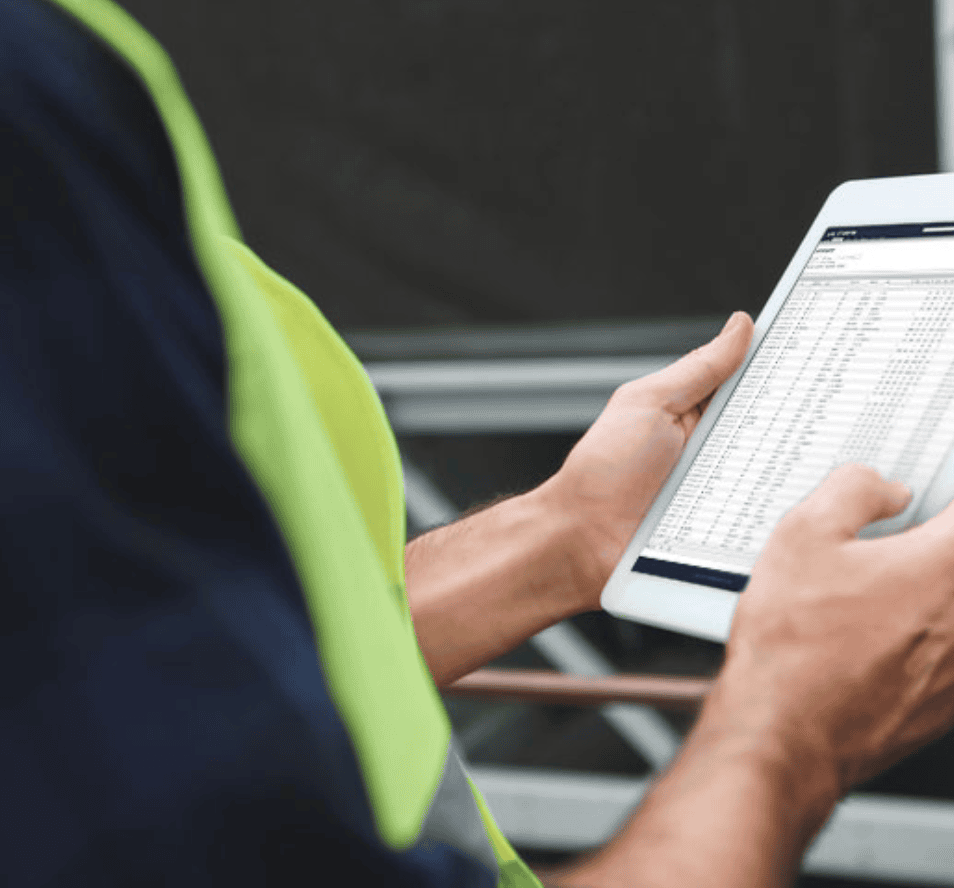
Whichever weighbridge you choose, the software running it plays a big part in how much value you get from the investment. Cloud-based weightbridge NMI approved software like Weightrax captures accurate, real-time transactional data and delivers flexible reporting on any device, anywhere – and keeps running even if the site loses internet connectivity. It streamlines invoicing, cuts down manual admin, and gives finance and operations teams fast, accurate reporting on demand. Pairing the right software with your weighbridge from day one means you’re set up for efficient, reliable operation from the moment it’s installed.
Finding the right fit
Portable suits you if your site isn’t permanent, your budget is limited, your vehicle loads are light-to-moderate, or you need weighing capability quickly with minimal disruption.
Modular suits you if you’re building permanent site infrastructure, you’re weighing heavy vehicles at high frequency, and you can justify the foundation investment against years of reliable, high-capacity service.
Because so much of the cost and suitability comes down to site-specific factors, ground conditions, expected vehicle types, throughput, and certification requirements, it’s essential to get a proper site assessment before committing either way.
Our experienced technicians can talk you through both options, and flag approaches you might not have considered, like a hybrid setup across multiple sites, or a semi-portable configuration that splits the difference.
Ready to compare options for your site? Get in touch for a tailored quote – we’ll walk through your capacity needs, site conditions, and budget to recommend whether a portable or modular weighbridge (or something in between) is the right fit.
Recent Comments